Why Mold Remediation Gettysburg PA Homeowners Should Act Fast on Water Damage
@moldremediationgettysburgnews
November 3, 2026 · 8 min read
If you have ever walked into a basement after a heavy rain and smelled that damp, musty odor, you know the feeling. It is not just unpleasant. It is a warning. Mold does not wait. It starts growing within 24 to 48 hours of moisture hitting a porous surface. For homeowners in Adams County, where old stone foundations and historic brick walls are common, that timeline can feel even shorter. I have seen crawl spaces that looked dry to the eye but held enough humidity to feed a hidden colony behind the drywall. That is why acting fast matters more than most people realize.
The first mistake many people make is thinking they can just scrub the visible spots and move on. Mold is not like dust. It sends roots into wood, drywall, and carpet padding. If you only clean the surface, the roots stay and the colony will regrow. That is where professional judgment comes in. A thorough inspection does not just look for stains. It checks for moisture sources, air movement problems, and hidden pockets where mold can thrive. That is exactly what mold remediation gettysburg pa Gettysburg PA Mold Remediation Pros focuses on: finding the full scope of the problem before any removal begins.
Why Timing Is Everything
When I first started working in water damage restoration, a mentor told me something that stuck. He said, "Water is patient. Mold is impatient." He meant that water will sit in a wall cavity for weeks, slowly wicking up the wood. But mold? Mold starts reproducing the moment conditions are right. So if you have a leaky pipe or a flooded basement, the clock is ticking. The longer you wait, the deeper the mold penetrates. That means more material may need to be cut out and replaced.
One job I remember involved a finished basement that had a slow leak behind the shower for about three weeks. The homeowner thought it was just a damp spot on the carpet. By the time we opened the wall, the mold had spread into the insulation and the bottom two feet of the studs. What could have been a contained repair turned into a full gut of the bathroom and adjacent room. That is not a cheap lesson. But it is an avoidable one.
What a Professional Inspection Actually Covers
A good mold inspection is not a quick walkthrough with a flashlight. It involves checking humidity levels, looking for condensation patterns, and sometimes using moisture meters or thermal imaging cameras. The goal is to identify all areas where moisture is present, not just where mold is visible. That includes checking behind baseboards, under sinks, around window frames, and inside HVAC systems. In older Gettysburg homes, I often find that the attic ventilation is poor, which traps warm, moist air and leads to condensation on the roof sheathing.
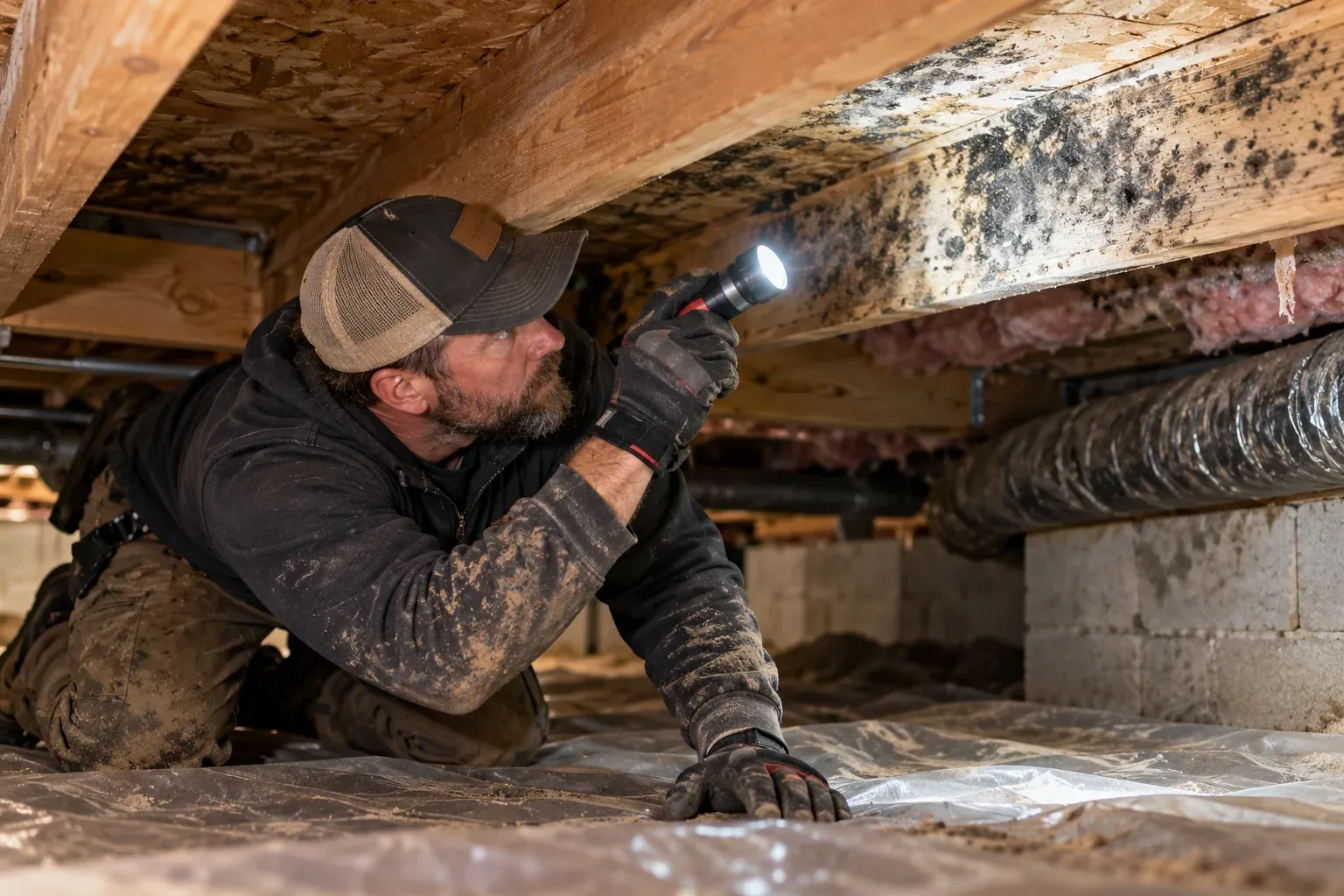
Once the inspection is done, the remediation plan is tailored to the specific situation. Sometimes it is as simple as drying out a crawl space and applying a biocide. Other times it involves removing sections of drywall, treating the framing, and installing better ventilation. The key is that the work is done in a way that prevents the mold from coming back. That means addressing the moisture source, not just cleaning the visible growth.
Common Causes of Mold in Gettysburg Homes
Gettysburg has a lot of older homes, many with stone foundations and dirt-floor crawl spaces. Those crawl spaces are notorious for mold because they stay cool and damp. If the ground outside slopes toward the house, rainwater can pool against the foundation and seep in through the stone. I have also seen homes with modern HVAC systems that run too cold in the summer, creating condensation on supply ducts in the attic. That moisture drips down into the insulation, and within a week, you have a mold problem in a place nobody ever looks.
Other common culprits include:
- Leaky windows that allow rainwater to seep into the wall cavity
- Poor bathroom ventilation that leaves moisture on walls and ceilings after showers
- Clogged gutters that cause water to overflow and soak the siding
- Undersized or blocked vents in attics and crawl spaces
- Plumbing leaks behind appliances like dishwashers and washing machines
Each of these issues requires a different approach. A leaky window might just need new caulking and a better drip edge. A dirt-floor crawl space might need a vapor barrier and a dehumidifier. The point is that there is no one-size-fits-all solution. That is why a professional who knows the local building styles and climate patterns is so valuable.
The Removal Process: What to Expect
When the remediation team arrives, they set up containment to keep spores from spreading to other parts of the house. That usually means sealing off the work area with plastic sheeting and running negative air pressure with HEPA filters. The actual removal can involve HEPA vacuuming, wet-wiping surfaces, and cutting out porous materials that cannot be saved. Non-porous materials like glass and metal can often be cleaned, but drywall, carpet, and insulation usually have to go.
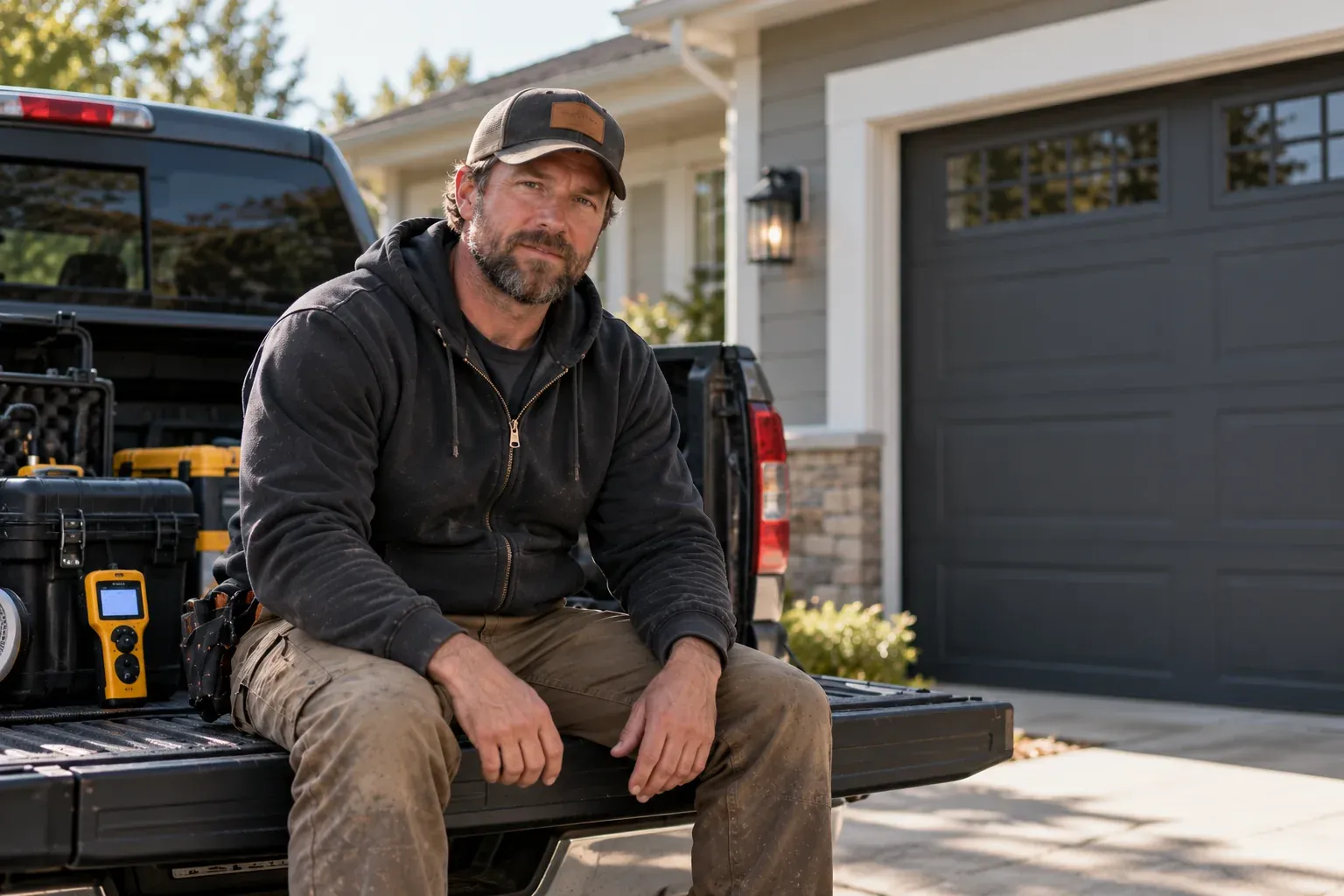
One thing that surprises homeowners is how much protective gear the crew wears. Full Tyvek suits, respirators, gloves, and boot covers. That is not for show. Mold spores can cause allergic reactions and respiratory issues even in healthy people. For someone with asthma or a compromised immune system, exposure can be serious. So containment and protection are not optional. They are part of doing the job right.
After the removal, the area is treated with an antimicrobial solution. But again, that only works if the moisture problem is fixed. If you put new drywall over a damp stud, you will be calling for help again in a few months. That is why the best remediation includes a plan for keeping the area dry going forward. That might mean installing a French drain, adding insulation to prevent condensation, or simply fixing a gutter downspout that was dumping water against the foundation.
When to Call a Professional vs. DIY
Small patches of mold on a shower wall or a windowsill can often be handled by the homeowner with a diluted bleach solution or a commercial cleaner. But once the mold covers more than about ten square feet, or if it is inside a wall cavity or HVAC system, it is time to bring in a pro. The EPA and CDC both recommend professional remediation for larger infestations because of the health risks and the difficulty of fully removing mold from porous materials.
Another factor is insurance. Some homeowners policies cover mold remediation if it results from a covered water loss, like a burst pipe or a storm. But the claim process can be tricky. A professional inspection and remediation report can help document the damage and the steps taken, which makes the insurance process smoother. Trying to handle it yourself might save money upfront, but if the mold comes back or if you miss hidden growth, you could end up paying more in the long run.
I have seen cases where a homeowner tried to paint over a moldy wall. The paint peeled within weeks, and the mold was worse than before. I have also seen people use bleach on porous wood, which only bleaches the surface and leaves the roots alive. Those are the kinds of mistakes that professional remediation avoids. The cost of the service is an investment in the health of your home and the people living in it.
Prevention Is the Real Solution
The best way to handle mold is to never let it start. That means keeping humidity below 50 percent, fixing leaks immediately, and ensuring good ventilation in bathrooms, kitchens, and crawl spaces. In Gettysburg, where summers are humid and winters can be cold, that balance can be hard to strike. A dehumidifier in the basement can help. So can running the bathroom fan for fifteen minutes after every shower. Small habits like that make a big difference over time.
If you suspect mold but are not sure, a professional inspection can give you peace of mind. The cost is usually modest compared to the cost of a full remediation. And if the inspection finds nothing, you have learned something about your home. If it finds something, you caught it early. Either way, you win.
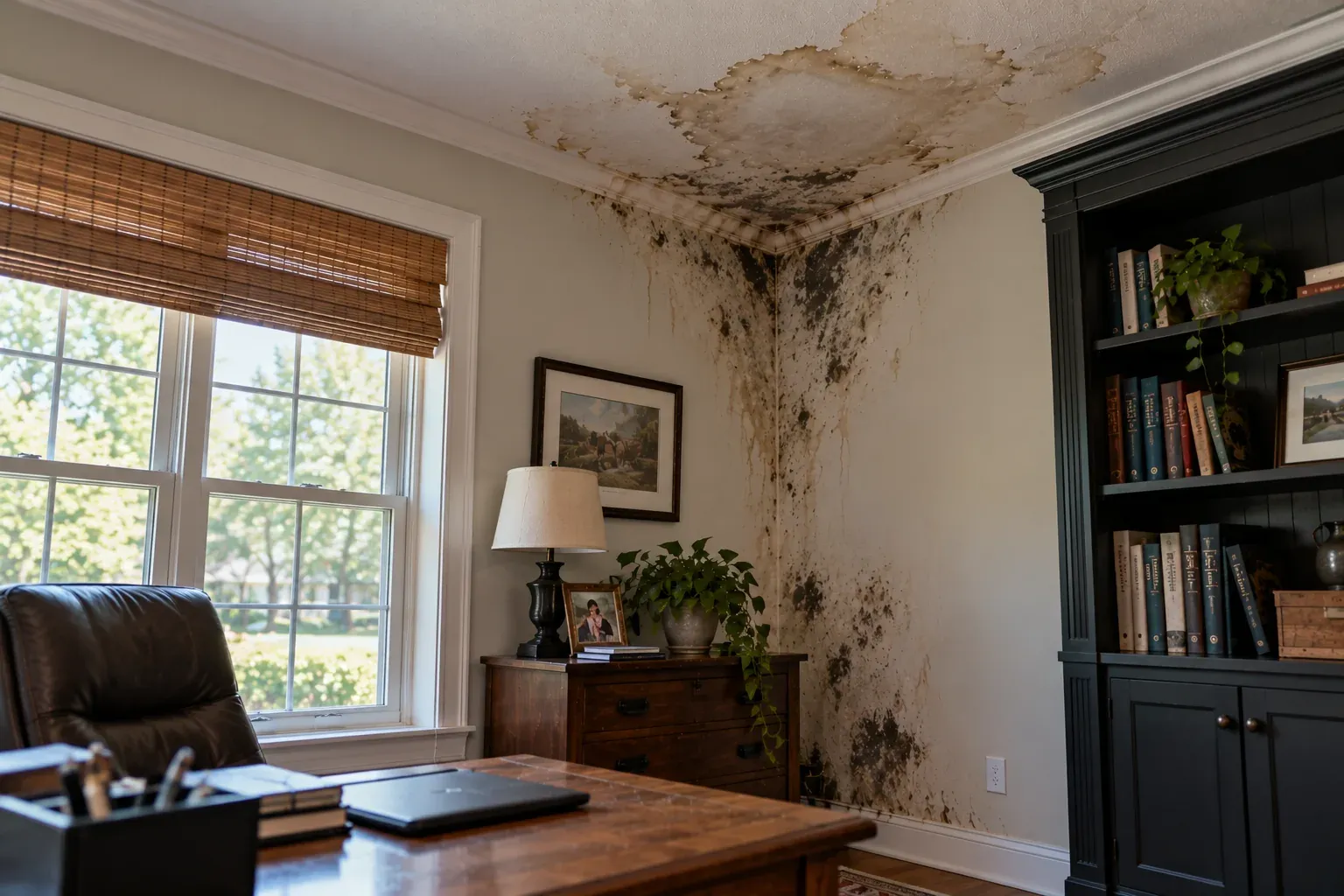
For anyone dealing with water damage or persistent dampness in their home, the smart move is to call for help sooner rather than later. That is where a local team with experience in the area makes a difference. They know the common problem spots, the best techniques for the local climate, and how to get the job done without cutting corners. That is what mold remediation gettysburg pa Gettysburg PA Mold Remediation Pros has been doing since 2012, and it is why so many homeowners in Adams County trust them with their homes.
If you are reading this and thinking about that damp corner in your basement, trust your gut. Mold does not get better on its own. It only gets worse. And the sooner you act, the simpler and cheaper the fix will be. Whether you call a professional or start with a dehumidifier, the important thing is to take that first step. Your home and your family will thank you.
Follow Gettysburg PA Mold Remediation Pros on
 LinkedIn
 Facebook
 YouTube
 Pinterest